


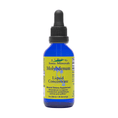
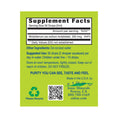
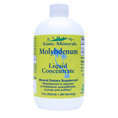
Molybdenum is an important mineral element now recognized as an essential catalyst for 3 cellular enzymes needed for the breakdown of potentially harmful compounds, normally produced in the body or introduced into the body via food and water. These enzymes are:
Aldehyde oxidase: This enzyme plays an essential role in converting acetaldehyde (a waste product of Candida albicans fungus) into acetic acid for disposal, or into acetyl coenzyme A, a compound we use for energy production. Acetaldehyde can be produced from threonine, ethanol (from alcohol), or from the metabolism of carbohydrate in yeast (eg. Candida). Excessive levels of Candida in the body (as a result of the consumption of refined sugar and antibiotics) will create excessive levels of acetaldehyde. Without adequate levels of Molybdenum, Iron, and vitamin B2, our breakdown system is unable to do its job. When this occurs, one may begin to feel its effects such as fragrance sensitivities, brain fog and occasional fatigue.
Xanthine oxidase: An enzyme that is created by the body to eliminate purines. The purine category includes compounds such as DNA and RNA nucleic acids adenine and guanine, hypoxanthine, xanthine, theobromine, caffeine, and uric acid. It is essential that these compounds be dismantled and excreted upon reaching the end of their useful life. Molybdenum helps to accomplish this process.
Sulfite oxidase: This enzyme converts disruptive sulfites to useful sulfates. This includes internally generated sulfites created in the breakdown of sulfur containing amino acids, as well as sulfites we may be exposed to via our environment or foods consumed that have been preserved with sulfites.
Additionally, Molybdenum appears to support other biological processes in conjunction with iron.
Our ability to acquire adequate levels of Molybdenum from dietary sources can be quite problematic. Eidon solves this problem with our highly bioavailable liquid ionic Molybdenum.
Food High in Molybdenum: Organically grown dark green leafy vegetables, cauliflower, whole grains, potatoes, legumes, brewers yeast, and organ meats.
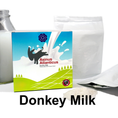
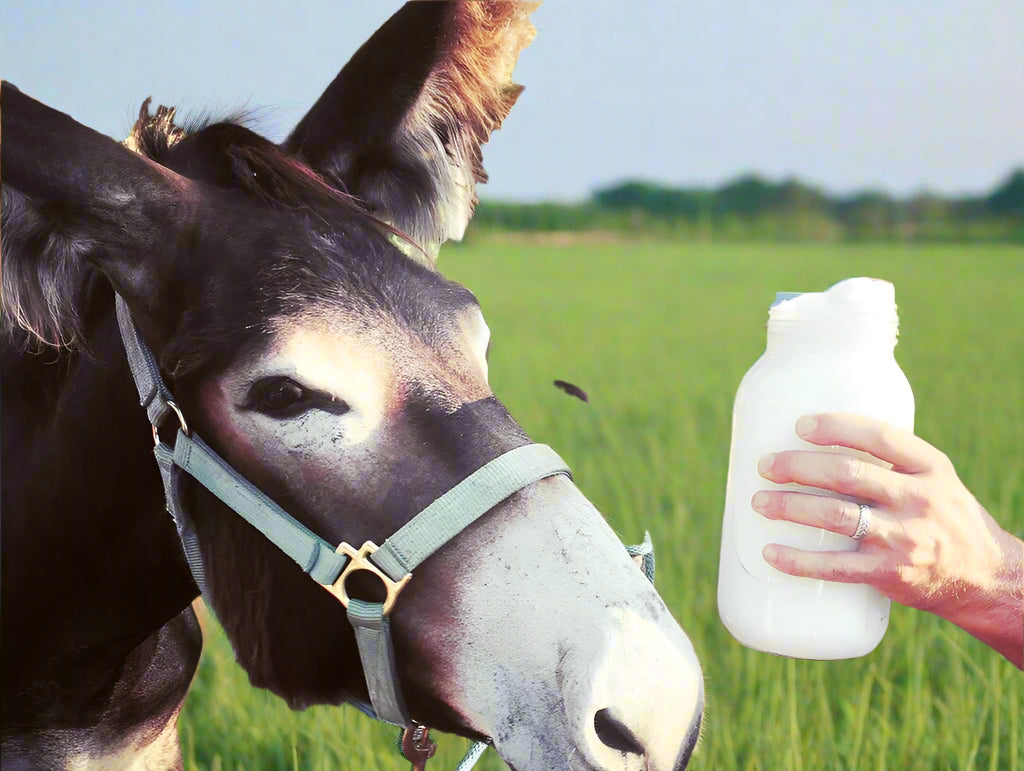
Why Donkey Milk?
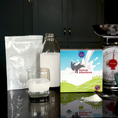
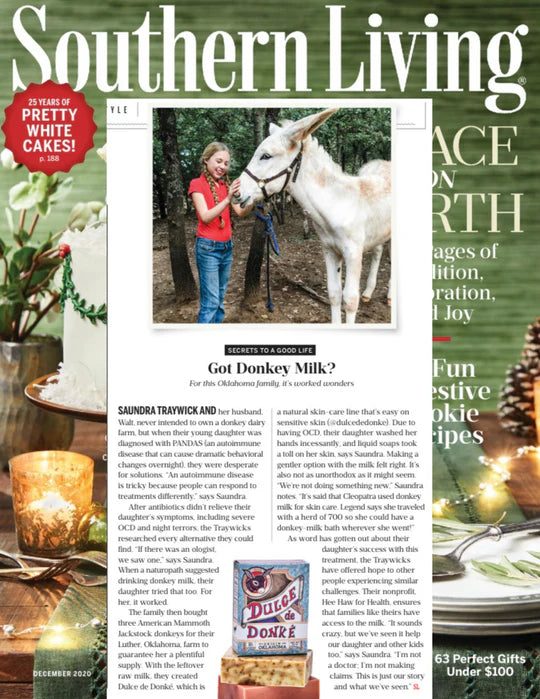
We started milking donkeys for our daughter when she got an autoimmune disease that attacked her brain. Now our donkey milk is used by families across the USA.


Find out why Cleopatra loved donkey milk...
-
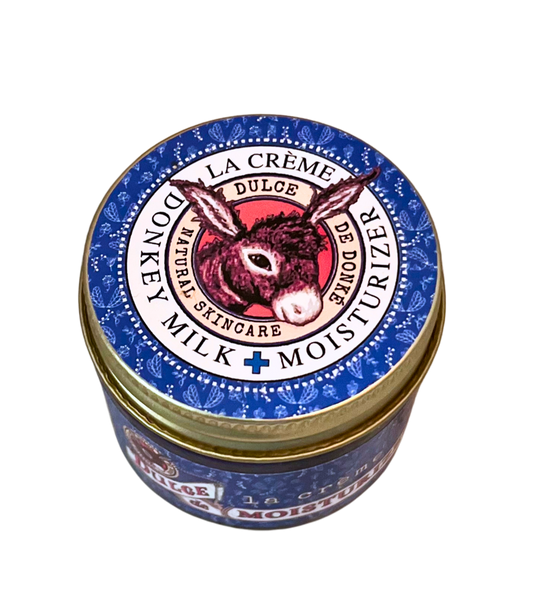
Regular price$49.00Regular priceSale price$49.00 Save $-49.00 (%)Unit priceperPre-order for LATE SEPTEMBER: Donkey Milk Face Moisturizer Cream
-
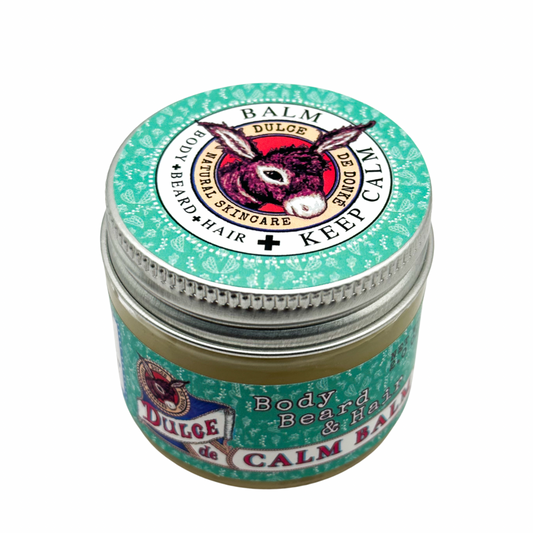
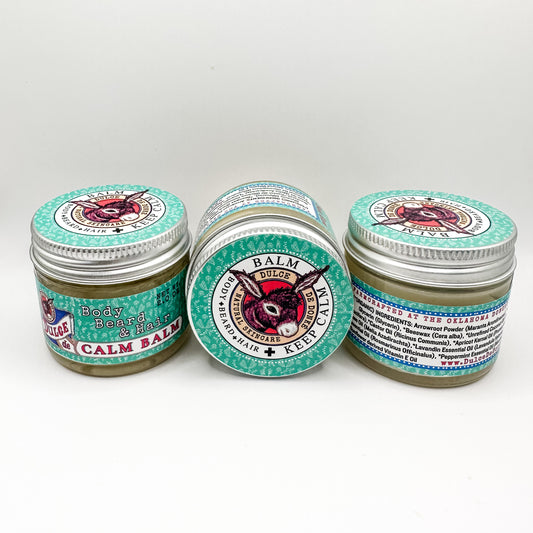
Regular price$19.99Regular priceSale price$19.99 Save $-19.99 (%)Unit priceperCalm Balm for Body, Beard, and Hair, 2 oz
-
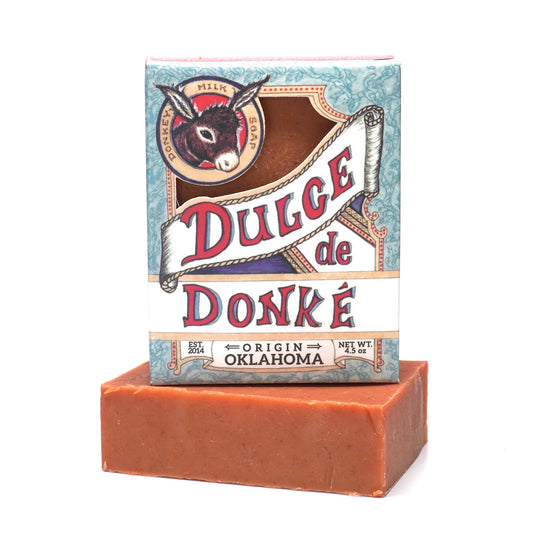
Regular price$19.99Regular priceSale price$19.99 Save $-19.99 (%)Unit priceperDonkey Milk Facial Soap Bar with Frankincense & Manuka Honey

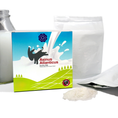
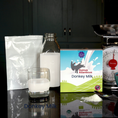
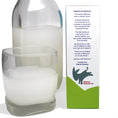








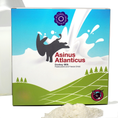


















Hee Haws from the donkey dairy
-

Not sleeping? This little hack might sound crazier than donkey milk...
In spite of being physically exhausted and falling asleep in his chair at 9:00 every night, he was waking up...
-

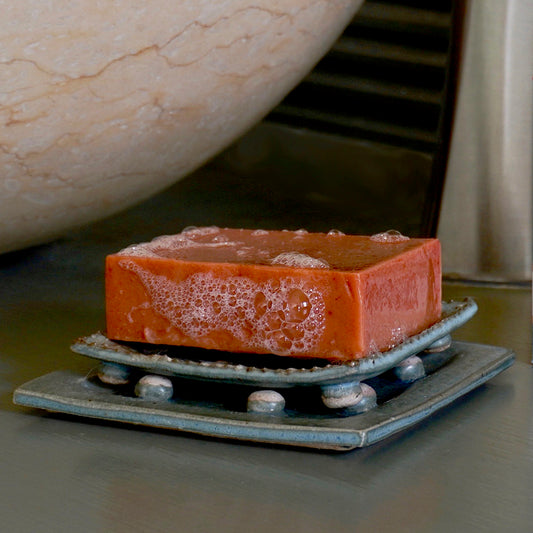
The Ultimate Money Saver for DIY types: Use our Donkey Milk Soap as Shampoo and DIY your own ACV conditioner and Liquid Donkey Milk Soap
Before some brilliant marketing guru decided to convince the world that they needed separate "shampoo" and "conditioner" to survive, guess...
-

The Donkey Milk Lady interview on BEK TV with Trent on the Loos
This week I had the honor of being on BEK TV with Trent on the Loos. We talked about donkey...


